
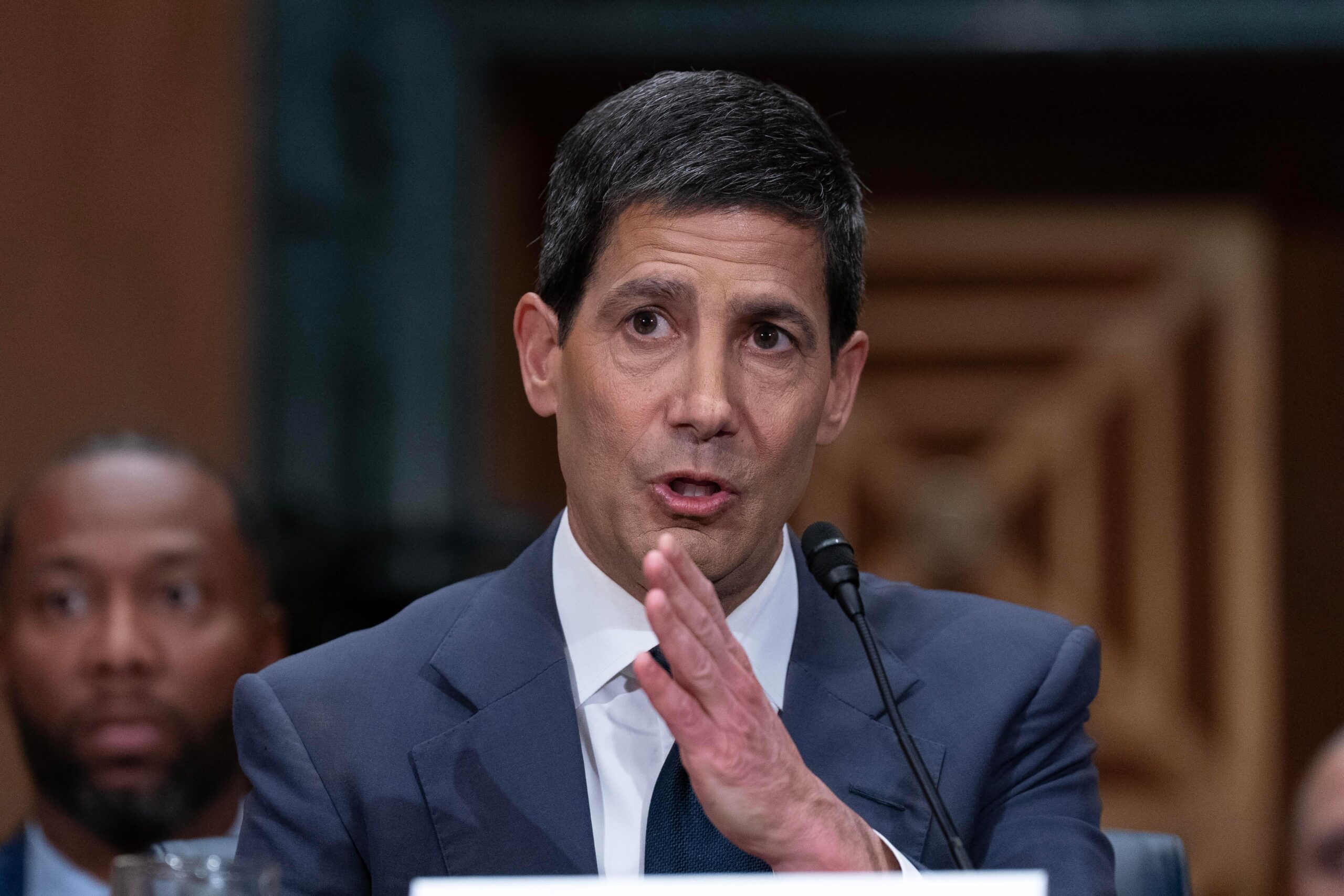
Warsh entered the leadership role with a clear mandate to reduce the Fed's footprint, arguing that extensive asset purchases have enmeshed the central bank in political territory that should belong to elected officials. While he holds the authority to set the agenda, his ability to force a contraction is constrained by the current operating regime. Any move to aggressively shed Treasuries and mortgage bonds risks creating liquidity shortages, a scenario the Fed recently avoided by resuming technical purchases to ensure market stability.
The path toward a smaller balance sheet relies on complex regulatory overhauls rather than simple divestment. Experts like former New York Fed leader William Dudley suggest that achieving a meaningful reduction—potentially up to $1 trillion—will require years of consensus-building and fundamental changes to how banks manage liquidity. Without altering the underlying framework for rate control, critics warn that shrinking the portfolio could force the Fed into more frequent, reactive interventions.




Comments (0)
No comments yet. Be the first!