
While budget-conscious shoppers might be tempted by the lowest price tag, the current market reality favors investing in machines with at least 16GB of RAM and 512GB of storage. Apple’s silicon-based machines remain the gold standard for longevity, though Windows alternatives—specifically those running Intel’s 13th-gen chips or newer, or the latest Snapdragon X processors—offer competitive performance for students who need to avoid the 'slow and janky' experience that plagues cheaper models. For those on a stricter budget, the MacBook Neo stands out as a reliable entry point, while refurbished enterprise hardware like the Lenovo ThinkPad T14 provides a durable, cost-effective workhorse.
A Student’s Guide to Navigating the Laptop RAM Crunch
Shopping for a student laptop this year is a balancing act between rising component costs and the necessity of long-term performance. With global memory production already allocated through 2027, prices are unlikely to drop soon, making it critical to choose hardware that provides enough headroom to survive a full college career.
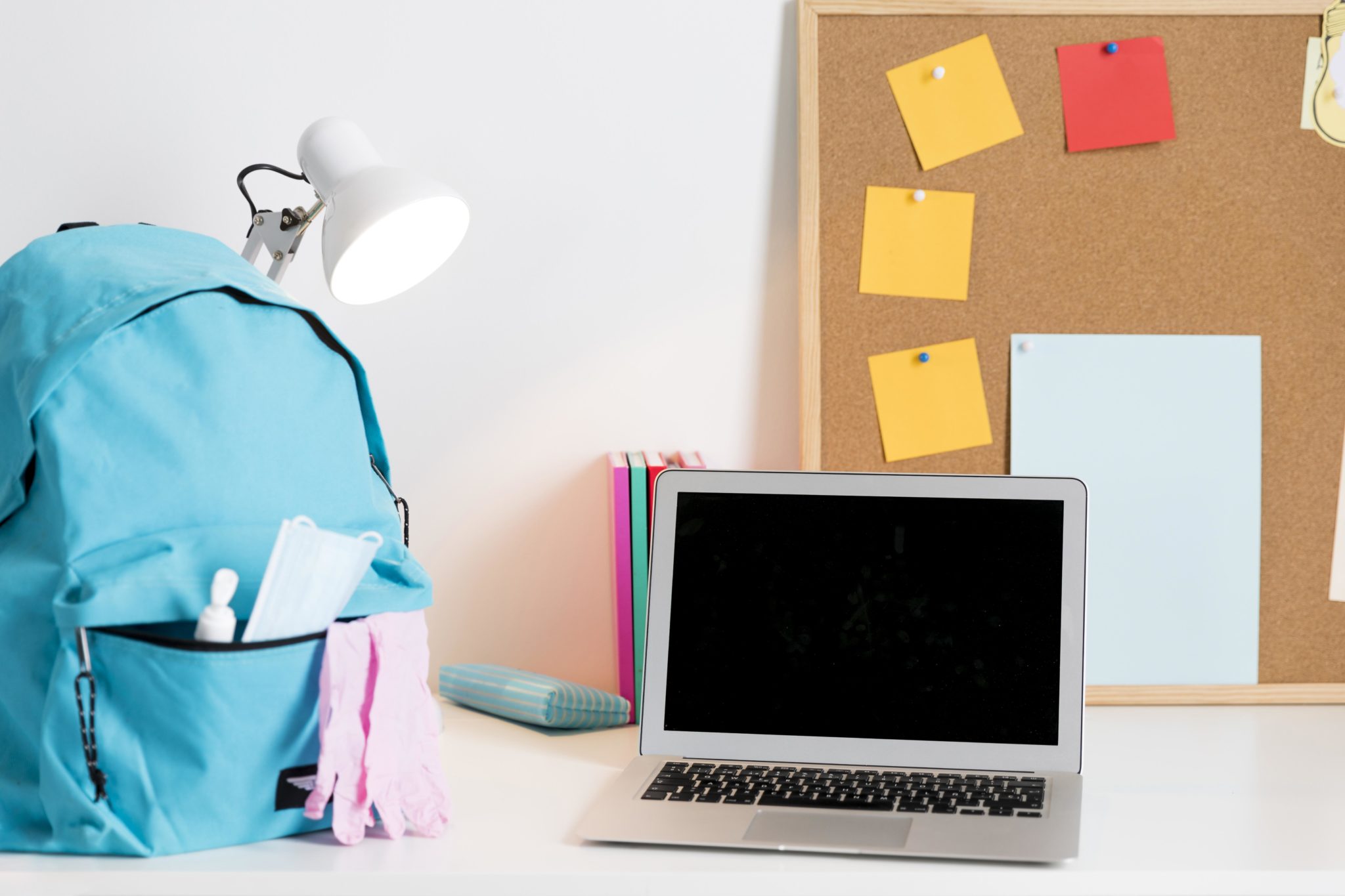
Ultimately, the 'good enough' threshold has shifted. If your curriculum requires specialized software, ensure your choice supports it, as Windows on Arm chips may present compatibility hurdles. Otherwise, prioritize build quality over temporary savings. A machine that feels responsive on day one is far more likely to last through four years of coursework than a bargain-bin special that will inevitably struggle as software demands increase.



Comments (0)
No comments yet. Be the first!