
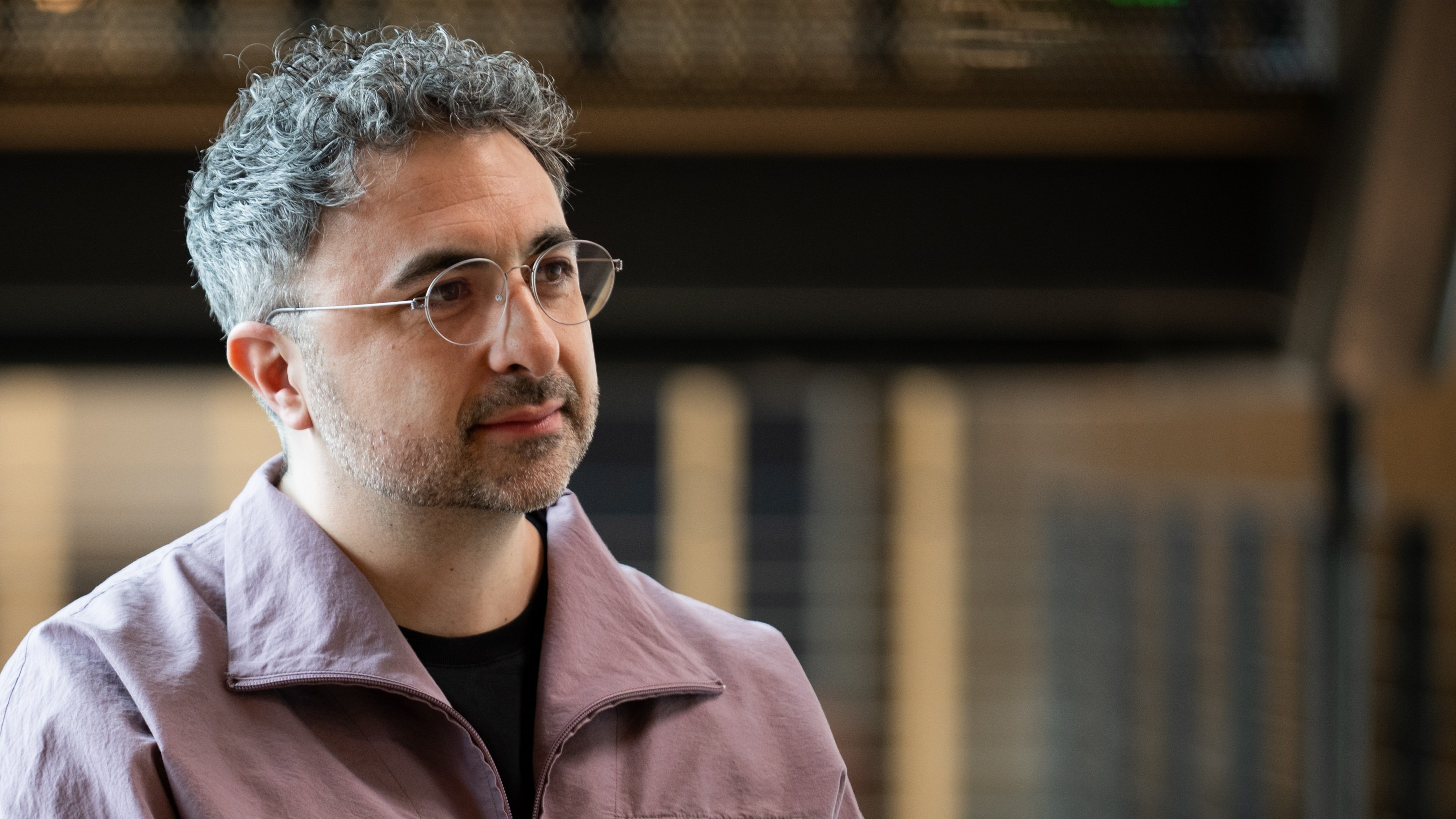
Suleyman describes the current evolution of Microsoft AI as a move toward self-sufficiency. Since the restructuring of the company’s AI division last October, the focus has shifted to building independent clusters for training frontier models. This transition allows Microsoft to integrate its own hardware, such as the Maia 200 chip, with proprietary models like the newly released MAI-Thinking-1. According to Suleyman, this vertical integration is essential because long-term dependency on third-party IP for what he considers the most valuable technology in history is not a sustainable corporate strategy.
Addressing concerns about AI's impact on employment, Suleyman clarified his previous comments regarding automation. He distinguishes between the automation of specific administrative tasks and the displacement of entire professional roles. He argues that the goal of these tools is to handle rote, labor-intensive work, thereby freeing human workers to focus on judgment-based tasks. Despite growing public skepticism and political pushback, Suleyman maintains that the industry’s focus should remain on concrete outcomes, such as the company’s new healthcare partnership with the Mayo Clinic, which aims to apply AI to clinical patient records and medical research.

Comments (0)
No comments yet. Be the first!