Music gear makers open up as AI-driven modding spreads
A wave of AI-assisted tinkering is pushing music-gear makers to rethink how much of their products they expose to users. Some are publishing source code and development tools; others warn that unofficial firmware can damage devices, disrupt updates or void warranties.
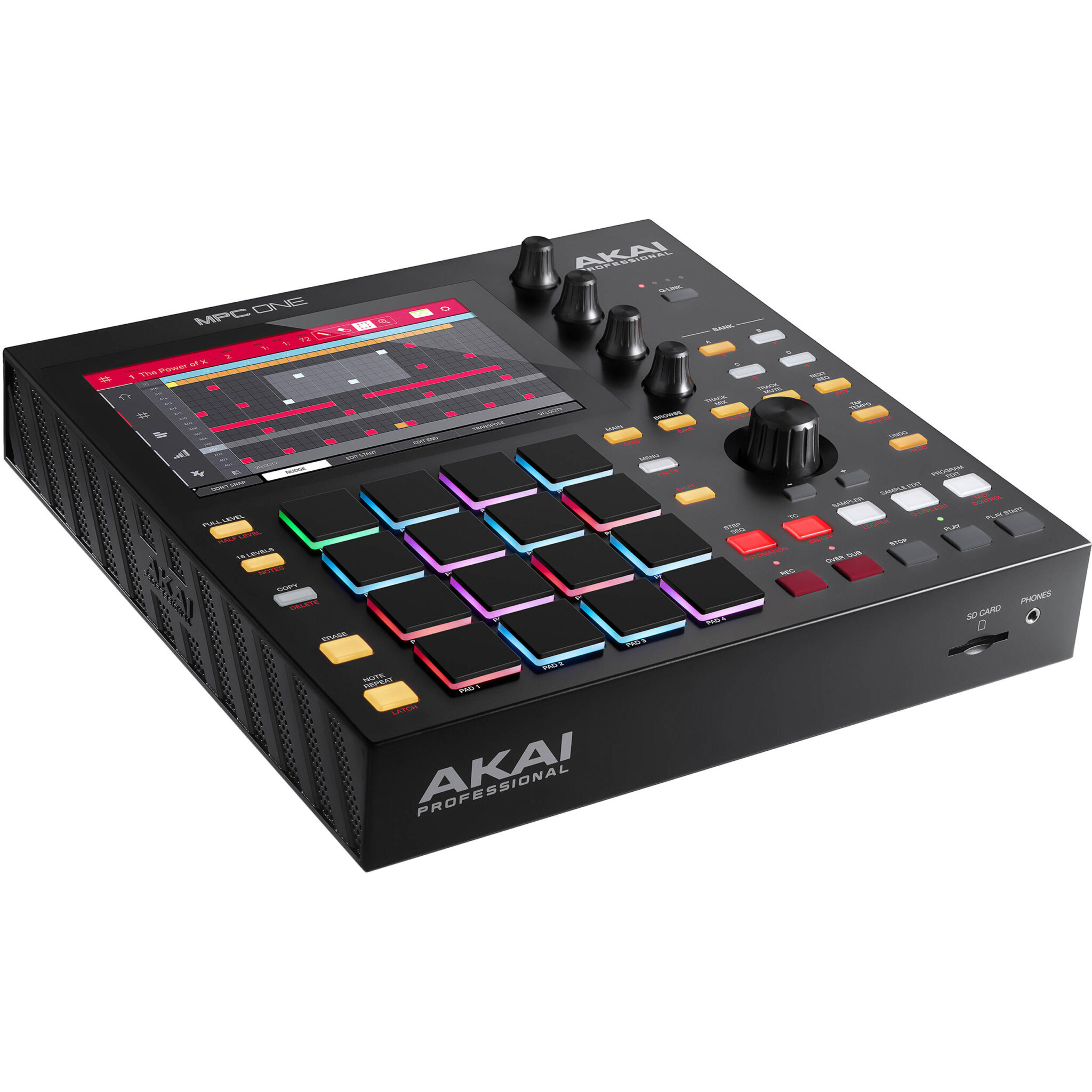
inMusic, parent of Akai, Moog and Native Instruments, is among the biggest companies embracing the shift. CEO Jack O’Donnell told The Verge the company plans to give users “a toolbox” and access to the inner workings of products such as MPCs and Samples. That effort includes a recently launched SDK and open-source devices, including the teased MPC Sample Key. O’Donnell said Akai wants to give users a way to reset devices so they can experiment without losing their existing work.
Behringer has announced five open-source products in recent weeks: Kick, a $150 MPC One clone; a clone of the E-mu SP-1200; the Anima DJ controller; the Ignite sequencer; and the Polykeys 61 MIDI controller. The company has not said when they might launch. M-Vave’s $70 FM-1, a pocket-sized Yamaha DX7 clone, helped fuel interest after users developed well over a dozen custom firmwares. M-Vave later released open-source firmware and confirmed that its successor, the FM-2, is in development and will also be open source.
Other companies are taking different approaches. Erica Synths published source code for its LXR-02 drum machine, while founder Ģirts Ozoliņš questioned what fundamental problem vibe coding solves. He said he sees value in trying different options on one device instead of buying multiple plastic boxes, but added that this does not offset the environmental impact of data centers. Polyend has open-sourced its Tracker grooveboxes, following last year’s Endless guitar pedal, which lets users create effects through vibe coding.
Elektron has barred links to custom firmware on its official forums, warning that modifications could brick devices, prevent future updates or affect warranty coverage. Chief product officer Christian Alsing told YouTuber EZBOT that he sympathizes with hackers and recognizes users’ right to modify their devices, but rejected claims that the company is withholding features. Ozoliņš defended that position, saying designers cannot anticipate every possible use of an instrument. Roland, Korg, Arturia and Novation did not comment for the story.



Comments (0)
No comments yet. Be the first!