
Home→Technology→Hollywood pivots from tech worship to cinematic takedowns
Technology

Hollywood pivots from tech worship to cinematic takedowns

The era of the visionary founder as a cinematic hero has ended, replaced by a wave of 2026 features that frame Silicon Valley’s elite as antagonists. From Aaron Sorkin’s examination of Mark Zuckerberg to Nathan Fielder’s unsettling portrait of Elizabeth Holmes, Hollywood is finally documenting the growing public disillusionment with Big Tech.

Hollywood pivots from tech worship to cinematic takedowns

The shift in tone is stark. Unlike David Fincher’s 2010 film The Social Network, which cast Zuckerberg as a misunderstood genius, The Social Reckoning portrays the Meta executive as an autocrat whose growth obsession threatens democratic stability. By centering the testimony of whistleblower Frances Haugen, the film connects internal corporate decisions to real-world crises, such as Instagram’s impact on adolescent mental health and the algorithmic spread of misinformation.

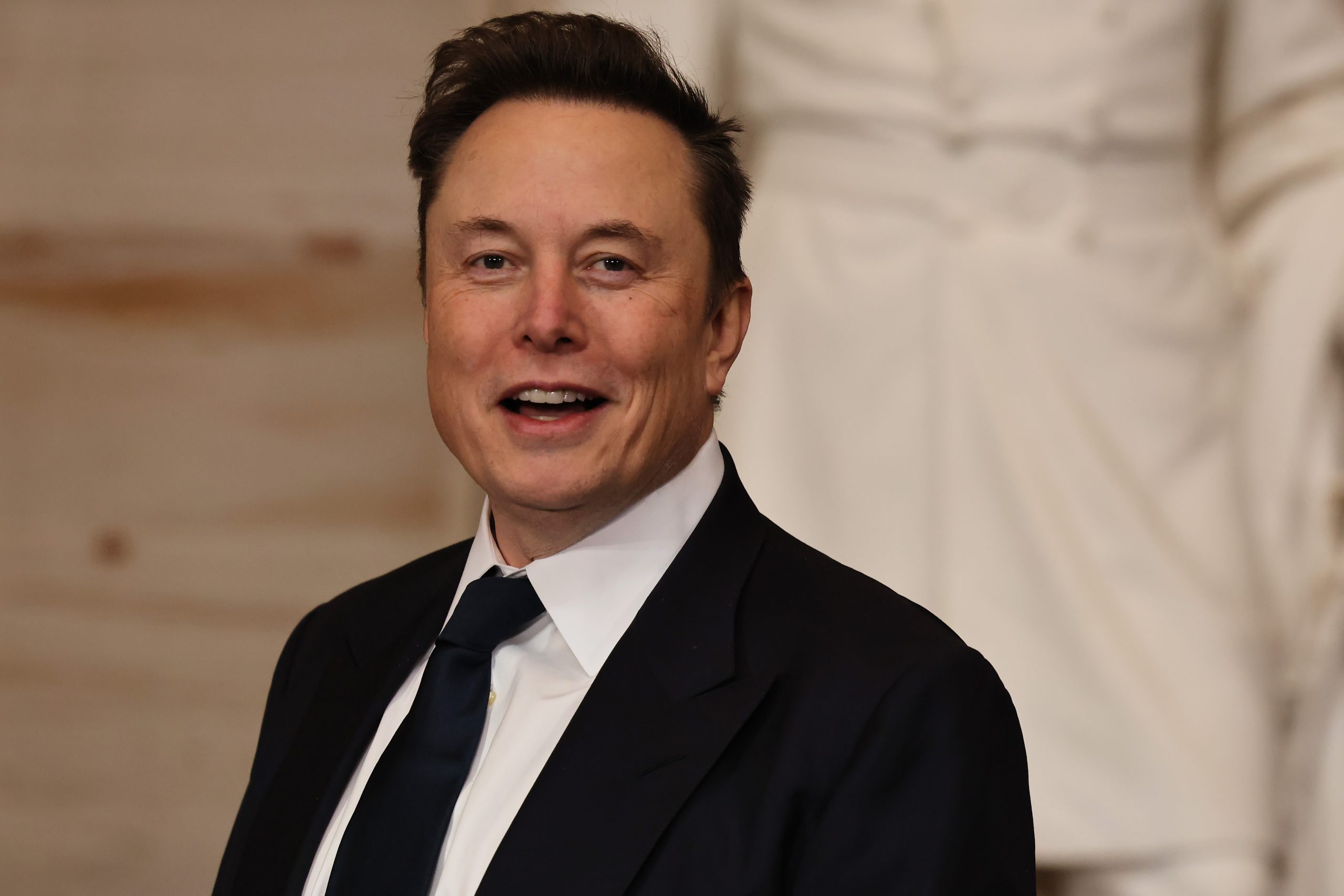
This critical lens extends to Alex Gibney’s documentary on Elon Musk. The film’s release has been marked by friction, with X blocking advertisements for the project and other platforms initially hesitating to host promotional material. The interference underscores the sensitivity surrounding these portrayals, particularly as major studios navigate their own financial entanglements with AI firms. Amazon, for instance, withdrew from distributing Luca Guadagnino’s Artificial—a pointed satire of Sam Altman—shortly after announcing a massive investment in OpenAI.

Nathan Fielder’s You Can See Everything offers a different, more claustrophobic approach to the genre. By embedding himself with Elizabeth Holmes during her final weeks of freedom before her prison sentence, Fielder forces the viewer to confront the performative nature of the disgraced Theranos founder. Whether these films succeed at the box office or face corporate suppression, they signal a broader cultural recalibration. As founders race to monopolize generative AI and government influence, the entertainment industry is moving past the myth of the benevolent innovator, choosing instead to interrogate the power dynamics defining our digital age.

Comments (0)

Leave a comment

No comments yet. Be the first!